B-Tier: Great Everyday Infrastructure
Protected bike lanes will likely need to be the backbone of our initial network. Since these can be installed at a relatively low cost, without requiring a full street reconstruction, they are a great option to reclaim space and improve existing streets that have inadequate facilities.
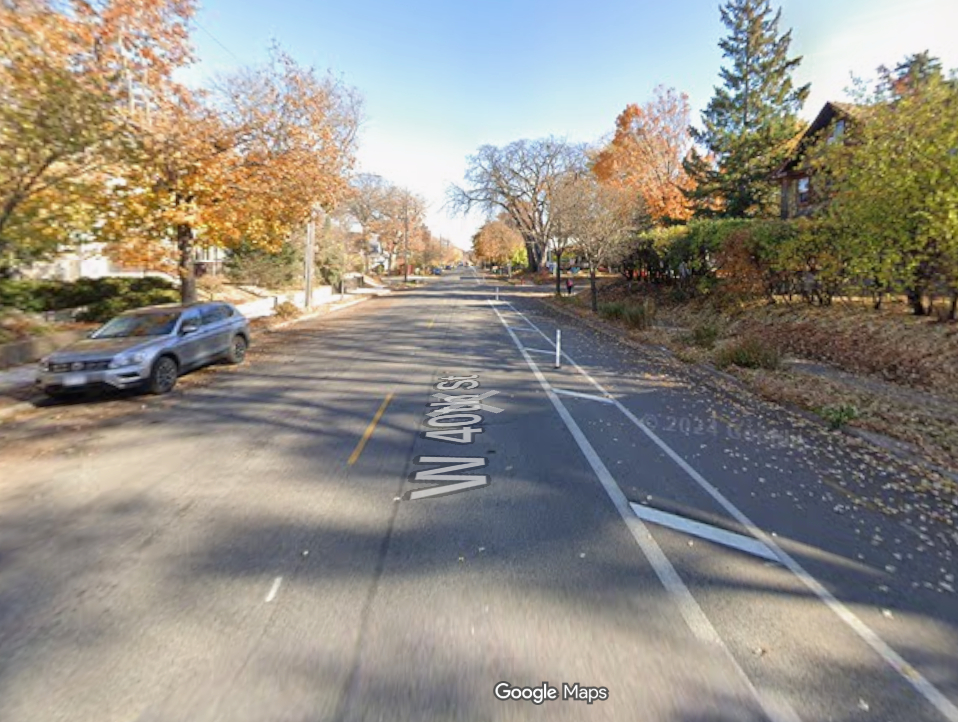
Protected bike lanes
Benefits
Dedicated space for bikes
Visible separation from vehicles
Comfortable for many riders
Can be installed relatively cheaply
Challenges
Maintenance costs to replace broken bollards
No true barrier between bikes and cars when only bollards are used
Varieties
Good: Flexible posts (bollards)
Better: Flexible posts and physical barrier (planters, armadillos, etc.)
Best: Concrete curbs
Local Examples
Notes
Pushing for protected bike lanes will be a large part of our advocacy. While not perfect, even flexible posts are extremely valuable. In addition to providing the physical element to separate bikes from cars, they serve as a valuable advocacy tool when they are inevitably hit - “see, this is why we need real protection”
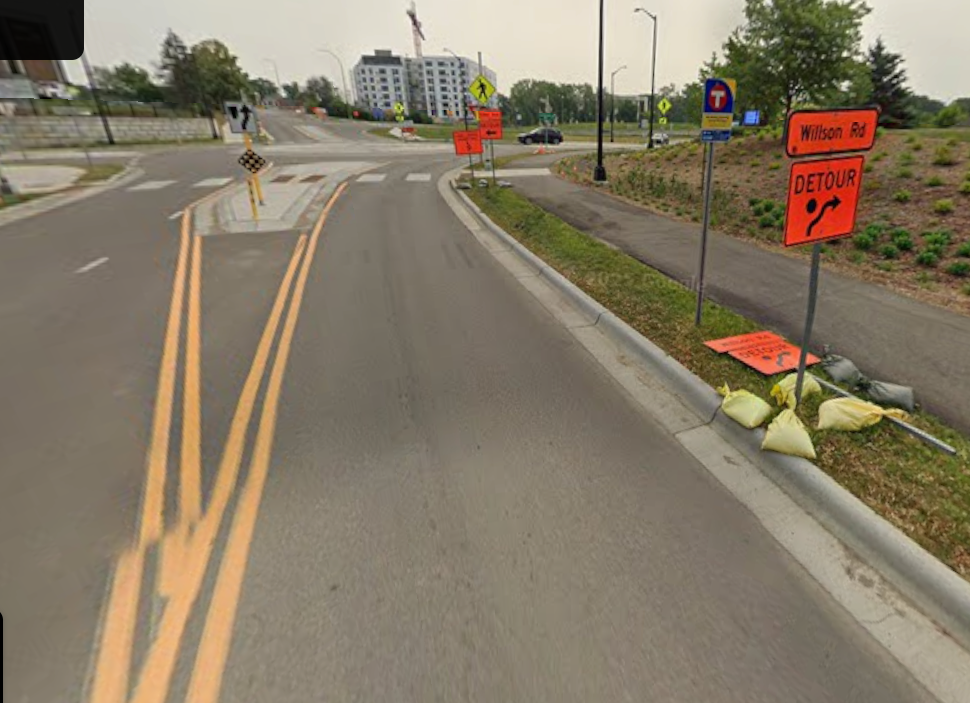
Shared Use Paths
Benefits
Physical separation from cars
Low stress
Safe for families and new riders
Challenges
Pedestrians may feel unsafe sharing space with bikers
Requires new construction
Costly
Local Examples
Notes
Wider is better for shared use paths to minimize conflicts between pedestrians and bikers. The minimum width to be considered a shared use path is 8ft; we should be pushing for 10ft or more.